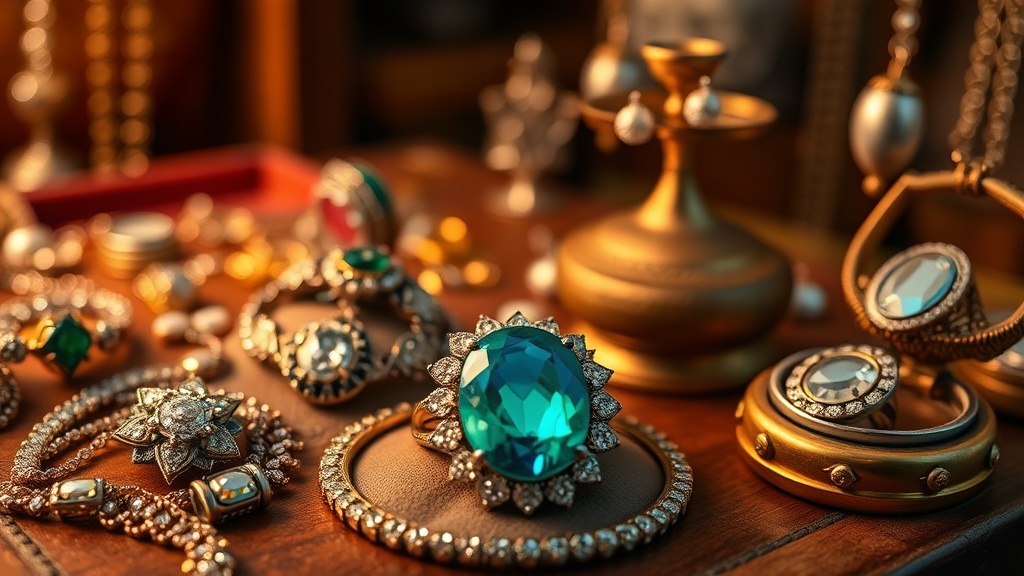
Protecting Your Precious Past: Smart Strategies for Vintage Jewelry Upkeep

Have you ever wondered how best to care for that beautiful vintage brooch or heirloom necklace you treasure? Preserving the allure and integrity of vintage jewelry requires a thoughtful approach, one that recognizes the unique materials and construction methods of pieces from bygone eras. This guide will walk you through practical, safe methods for cleaning and maintaining your treasured antique and vintage adornments, helping you ensure their beauty lasts for generations.
How do I safely clean vintage silver and gold jewelry?
Understanding the specific metal of your vintage piece is the first step toward effective cleaning. Sterling silver, coin silver, and various karats of gold all react differently to cleaning agents and techniques. For most gold pieces—especially those 10K or higher—a simple bath in warm water with a few drops of mild dish soap often does the trick. Let the piece soak for a few minutes, then gently brush any crevices with a soft-bristled toothbrush (a baby toothbrush works wonderfully). Rinse thoroughly under cool, running water and pat dry immediately with a lint-free cloth. Polishing cloths treated with a cleaning agent can add extra shine, but always ensure they’re designed for gold.
Vintage silver, on the other hand, presents a different challenge: tarnish. That dark, often black, film is a chemical reaction with sulfur in the air, not dirt. While some collectors appreciate a light patination for character, heavy tarnish obscures details and dulls sparkle. For sterling silver without gemstones or intricate detailing, a non-abrasive silver polish (applied with a soft cloth) can restore its luster. Always rub in one direction, not circles, to avoid creating tiny scratches. For more heavily tarnished items or those with delicate filigree, a homemade paste of baking soda and water—applied with a cotton swab and rinsed thoroughly—can be surprisingly effective. However, be cautious with chemical dips; while fast, they can strip away desirable patination and may contain harsh agents that damage other components of a piece. For an excellent resource on silver care, you might consult a guide from a trusted institution like the