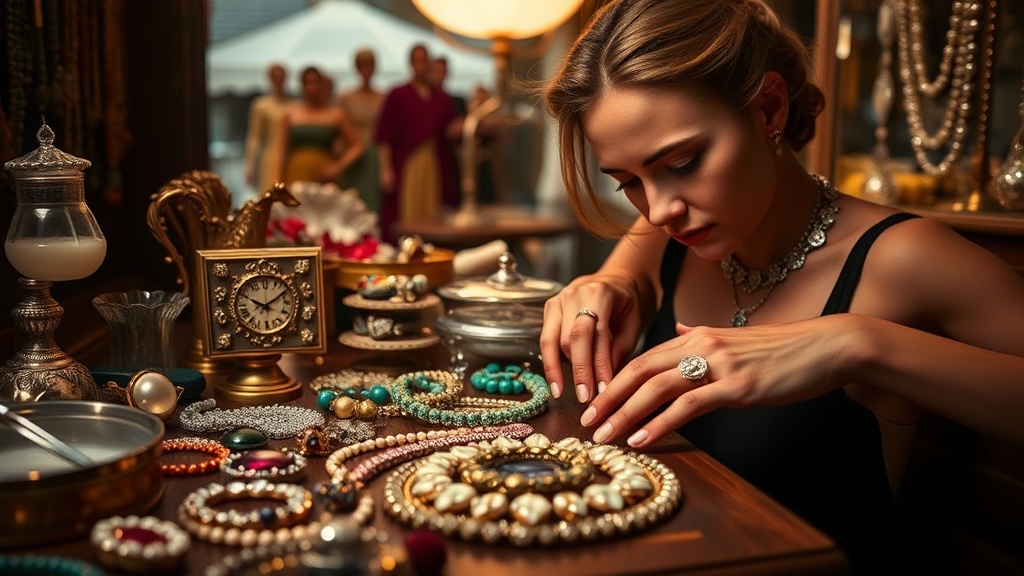
key Guide to Cleaning and Preserving Your Vintage Costume Jewelry

This guide covers proven methods for cleaning, storing, and maintaining vintage costume jewelry without damaging delicate materials like rhinestones, enamel, or plated metals. Whether you've inherited a box of 1950s brooches or recently acquired a signed Trifari piece, knowing how to care for these treasures prevents irreversible damage—and keeps them ready to wear for decades.
What's the Safest Way to Clean Vintage Costume Jewelry?
The safest approach is gentleness above all else. Most damage happens when collectors rush the process or use the wrong cleaning agents.
Start with the softest method possible. A soft-bristled baby toothbrush—think the Johnson's Take-Along Toothbrush or similar—works wonders for dislodging dust from crevices. Dip the brush in lukewarm water (never hot) with a drop of mild dish soap like Dawn Ultra. Work slowly. Avoid soaking pieces entirely—water seeps into hollow settings and causes verdigris, that green corrosion you'll sometimes spot on older brass components.
For rhinestone pieces, skip water entirely if stones appear cloudy or foil-backed. The foil backing—what gives those stones their sparkle—dissolves when wet. Instead, use a slightly damp microfiber cloth (the Kirkland Signature Optical 6-Pack works well) and gently wipe only the metal portions. Never submerge.
Here's the thing about ultrasonic cleaners: they're tempting but risky for costume jewelry. The vibration can loosen stones, crack enamel, and damage glued elements. Reserve those machines for solid metal pieces only.
Cleaning Solutions by Material
| Material | Safe Cleaning Method | What to Avoid |
|---|---|---|
| Rhinestones (foil-backed) | Dry microfiber cloth; damp cloth on metal only | Water, ammonia, vinegar |
| Enamel | Soft cloth with mild soapy water; pat dry immediately | Soaking, abrasive cleaners |
| Celluloid | Dry polishing cloth only | Any moisture, heat |
| Pearl simulants | Damp cloth; no soap | Chemicals, ultrasonic cleaners |
| Gold/silver tone metal | Mild soapy water; dry thoroughly | Abrasive polishes |
For pieces with significant tarnish on metal components, the Smithsonian's conservation guidelines recommend professional assessment first. Home remedies—baking soda pastes, toothpaste, ketchup—might restore shine temporarily but often remove plating or leave residues that accelerate future corrosion.
How Should You Store Costume Jewelry to Prevent Damage?
Proper storage matters as much as cleaning. Edmonton winters (where this collection lives) present particular challenges—dry forced-air heating causes certain materials to become brittle, while summer humidity promotes tarnish and verdigris.
Individual soft pouches beat jumbled jewelry boxes every time. Ziploc bags work in a pinch—add a small silica gel packet (save them from shoe boxes or buy Dry-Packs brand canisters) to absorb moisture. Don't seal rhinestone pieces airtight long-term; they need some air circulation to prevent foil deterioration.
Worth noting: never hang necklaces on metal hooks or display stands. The constant tension stresses clasps and can stretch delicate chains. Lay flat in compartmentalized trays—the Stackers Classic Jewelry Box sections work perfectly—or roll in acid-free tissue.
That said, some materials need special attention:
- Celluloid and early plastics: Store separately. These materials can off-gas as they age, damaging nearby pieces. The V&A Museum's costume jewelry care guide recommends breathable cotton storage with periodic inspection.
- Enamel: Avoid direct sunlight—colors fade over time. Keep away from heat sources.
- String-based pieces: Restringing vintage beaded necklaces with modern Beadalon WildFire beading thread prevents breakage, but store flat regardless.
The Temperature Factor
Extreme temperature swings cause expansion and contraction that loosens settings. Avoid storing jewelry in attics, basements, or near exterior walls. A bedroom closet—climate-controlled and stable—offers the best protection.
How Do You Spot Problems Before They Become Permanent?
Regular inspection catches issues early. Once monthly (or quarterly for pieces in storage), examine your collection under good light—an OttLite Natural Daylight LED lamp reveals details standard bulbs miss.
Look for these warning signs:
- Green deposits (verdigris): Indicates copper or brass corrosion. Stops here—don't attempt DIY removal on valuable pieces. The corrosion has already compromised the metal.
- Cloudy rhinestones: Foil backing deterioration. Sometimes reversible by professionals; home fixes rarely work.
- Stuck pins or clasps: A drop of Singer sewing machine oil (pure, no detergents) frees mechanisms. Wipe excess immediately.
- Loose stones: Stop wearing. Securing loose rhinestones requires jeweler's cement like E6000 or professional re-setting.
The catch? Many collectors discover problems too late—after wearing a piece to an event and losing a stone. Develop the habit of pre-wear inspection, especially for pins and brooches where the mechanism endures repeated stress.
When to Seek Professional Help
Not every cleaning job suits home treatment. Pieces from significant makers—Miriam Haskell, Chanel, Schiaparelli—deserve professional assessment before any intervention. The Gemological Institute of America maintains resources for finding qualified conservators.
Similarly, if a piece carries sentimental or significant monetary value, the cost of professional cleaning (typically $50–$150) outweighs the risk of DIY damage. Many major cities have specialists—Edmonton's own The Goldtek Refining and similar establishments often handle estate jewelry consultations.
Everyday Wear and Handling Best Practices
Prevention outperforms repair. Simple habits extend jewelry life dramatically.
Apply perfume, hairspray, and cosmetics before putting on jewelry—these products contain alcohols and chemicals that attack finishes. Wait five minutes after application. When removing pieces at day's end, wipe with a soft cloth to remove skin oils and product residue.
Remove rings and bracelets before washing hands. That fancy Art Deco cuff looks striking, but soap residue dulls rhinestones and moisture damages glue-based settings. The same rule applies to brooches—position them carefully to avoid catching on fabric, which strains pin mechanisms.
"Costume jewelry isn't meant to last forever—but with proper care, a 1940s Coro Duette can look as vibrant today as it did when Eisenhower was president."
Rotate your collection. Wearing the same pieces repeatedly accelerates wear on clasps, pins, and fragile elements. That said, don't store items unworn for years—periodic gentle wear actually helps keep mechanisms functional. Stiffness develops when pieces sit idle too long.
Insurance and Documentation
Photograph your collection. For signed pieces—Eisenberg, Trifari, Coro, Hattie Carnegie—document maker's marks clearly. While most costume jewelry doesn't require specialized insurance riders (unlike fine jewelry), high-value collector pieces—particularly Chanel Gripoix or rare Miriam Haskell designs—merit appraisal. The Costume Jewelry Collectors International maintains valuation resources and authentication guides for serious collectors.
Your vintage pieces carry stories—craftsmanship from eras when jewelry was designed to make statements, not just accessorize. Treat them with the respect those stories deserve, and they'll continue turning heads for years to come.