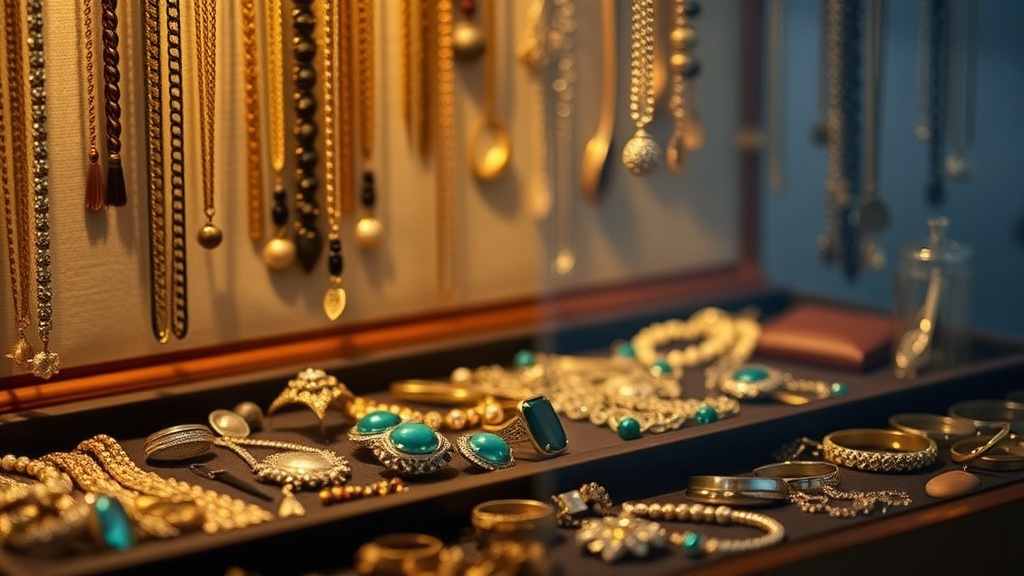
How to Properly Store and Care for Your Vintage Jewelry Collection

Vintage jewelry requires specific care to preserve its beauty, value, and structural integrity. This guide covers proper storage techniques, cleaning methods, and environmental controls that protect delicate pieces from damage, tarnish, and deterioration. Whether you've inherited a 1940s Bakelite brooch or spent years hunting down Art Deco rhinestone pieces at Edmonton's antique markets, the right approach makes all the difference between heirloom-worthy preservation and irreversible wear.
How Should Vintage Jewelry Be Stored to Prevent Damage?
Store each piece separately in a cool, dry place away from direct sunlight. That's the foundation everything else builds on.
Jewelry boxes with individual compartments work well, but many collectors prefer acid-free jewelry organizers or museum-quality storage boxes from Gaylord Archival. Soft velvet-lined trays prevent scratches on delicate metals and stones. The key is preventing contact between pieces—vintage metals scratch more easily than modern counterparts, and soft stones like turquoise or pearl can sustain permanent damage from harder materials rubbing against them.
Climate control matters more than most people realize. Humidity above 60% accelerates tarnishing on silver and can loosen glue settings in costume jewelry. Here's the thing: even if you live in a dry climate like Alberta, bathroom storage is a terrible idea. Steam from showers creates micro-environments where moisture lingers. Basements and attics? Even worse—temperature swings cause metal expansion and contraction that weakens clasps and settings over time.
For silver pieces specifically, anti-tarnish strips from 3M or Hagerty work wonders. Slip one into each storage compartment and replace them every six months. Some collectors swear by silica gel packets (the kind that come in shoeboxes), though you'll need to regenerate them periodically by drying them in a low oven.
What's the Safest Way to Clean Old Jewelry Without Causing Harm?
Use the gentlest method possible—usually warm water, mild dish soap like Dawn, and a soft toothbrush for most metal pieces.
Before cleaning anything, examine the piece under magnification. Look for loose stones, cracked enamel, or weakened prongs. The catch? Water can destroy pieces with loose settings or porous stones. If you spot problems, stop. Take it to a professional—someone like the team at GIA-certified jewelers or a specialist restoration service.
Here's a breakdown of safe cleaning approaches by material:
| Material | Safe Method | Avoid |
|---|---|---|
| Sterling Silver | Mild soap, soft cloth, silver polishing cloth | Toothpaste, baking soda, ultrasonic cleaners |
| Gold (any karat) | Warm soapy water, soft brush | Chlorine, abrasive cleaners |
| Pearls | Damp cloth only, lay flat to dry | Submersion, harsh chemicals, ultrasonic |
| Bakelite | Dry microfiber cloth | Water, Simichrome polish (controversial) |
| Enamel | Damp cloth, mild soap if necessary | Soaking, temperature shock |
| Rhinestones | Dry brush, damp cloth on metal only | Water on stones—foil backing damages easily |
That said, some pieces shouldn't be cleaned at all. Patina on Victorian mourning jewelry or natural oxidation on certain Arts and Crafts pieces actually adds value. When in doubt, don't.
Ultrasonic cleaners—those buzzing machines that promise sparkling results—can destroy vintage jewelry. The vibrations loosen old solder work, shake stones from worn prongs, and damage porous materials. Even professional jewelers approach vintage pieces with extreme caution in ultrasonics. Worth noting: if a piece has any organic components (pearls, coral, ivory), ultrasonics are absolutely off-limits.
Why Does My Vintage Silver Tarnish So Quickly, and How Can I Stop It?
Tarnish is a natural chemical reaction between silver and sulfur compounds in the air—you can't prevent it entirely, but you can slow it dramatically.
Vintage silver tarnishes faster than new pieces for two reasons. First, older alloys often contain less pure silver (coin silver, for example, is 90% rather than sterling's 92.5%). Second, decades of previous polishing have thinned protective surface layers. Each time someone buffed that 1920s bracelet, microscopic silver disappeared.
Storage makes the biggest difference. Keep silver in airtight containers with anti-tarnish inserts. Some collectors use Ziploc bags with the air squeezed out—effective, if inelegant. Others invest in specially treated jewelry boxes from brands like WOLF 1834 that neutralize sulfur compounds actively.
Wearing your silver actually helps. Skin oils create a thin protective layer, and regular handling removes light tarnish before it sets in. Here's the thing: that dark patina in crevices? It's called " French gray" and many collectors prefer it. Complete removal strips character and can reduce value by 20-30% on certain pieces.
For polishing, skip the dips. Those liquid tarnish removers (you know the ones—bright blue, smell like rotten eggs) work by dissolving silver along with tarnish. Instead, use a quality silver polishing cloth—Hagerty's Three-Way Cloth or Connoisseurs Silver Jewelry Polishing Cloth are solid options. Work gently, following the metal's grain, and stop while some darkness remains in engraved details.
How Do You Handle Vintage Costume Jewelry Differently Than Fine Jewelry?
Costume jewelry often requires more delicate handling than fine pieces because construction methods were less durable and materials more vulnerable.
Those gorgeous 1950s Eisenberg brooches and Trifari necklaces? They're held together with pot metal, glue, and hope. Water is the enemy—it dissolves adhesives, rusts base metal findings, and destroys foil backings that give rhinestones their sparkle. Once that foil backing gets wet and darkens, the stone looks dead forever.
Storage for costume pieces means absolutely no hanging. Those tempting necklace trees and earring stands? They stress old clasps, stretch weakened links, and expose pieces to dust and oxidation. Lay items flat in individual compartments. For brooches, secure the clasps—open pins can scratch neighboring pieces or snag fabric lining.
Cleaning costume jewelry is mostly about prevention. Wipe pieces with a dry microfiber cloth after wearing to remove skin oils and cosmetics. For stubborn grime on metal components, a cotton swab dampened (not wet) with rubbing alcohol works. Never submerge.
The catch with signed costume pieces—those marked Chanel, Schiaparelli, Miriam Haskell—is that improper cleaning destroys both beauty and value. A "dead" rhinestone in a Coro Duette can drop the piece from $400 to $40. When you find something special at Edmonton's Old Strathcona Antique Mall or similar venues, restraint pays dividends.
What Environmental Factors Destroy Vintage Jewelry the Fastest?
Humidity, temperature swings, light exposure, and air pollutants cause the most rapid deterioration.
Humidity above 55% accelerates tarnish, corrodes base metals, and can swell organic materials like pearls or ivory. Below 30% isn't great either—extreme dryness makes glue brittle and can crack certain stones. Aim for that middle ground. A hygrometer ($15 at hardware stores) tells you what you're working with.
Light damage is cumulative and irreversible. Prolonged sun exposure fades Bakelite (that butterscotch color can bleach to tan), degrades celluloid, and damages opals. Even display cases with UV-filtering glass only slow the process. Rotate displayed pieces every few months, and keep valuables in darkness.
Air quality matters more in cities. Sulfur dioxide from traffic and industrial pollution accelerates silver tarnish dramatically. If you live near major roads or industrial areas, airtight storage isn't optional—it's necessary. Some serious collectors use food-grade storage containers with gasket seals, the kind you'd find at Canadian Tire or similar retailers.
Pest control deserves mention too. Moths don't eat jewelry, but they eat the felt and fabric lining many vintage pieces were stored in. Silverfish and carpet beetles target natural materials like silk cords, leather watch straps, and pearl settings. Cedar blocks help, though they won't stop determined insects. Regular inspection—every three to six months—catches problems early.
When Should You Seek Professional Help?
Consult a specialist when you encounter loose stones, broken clasps, significant tarnish on valuable pieces, or any item with sentimental or monetary value that you're unsure about.
Not all jewelers understand vintage pieces. Modern repair techniques—laser soldering, aggressive polishing, replacement with contemporary components—can destroy historical integrity. Look for someone who advertises antique restoration specifically. Organizations like the National Association of Jewelry Appraisers can help locate qualified professionals.
Restoration decisions carry weight. Re-plating a worn gold piece, restringing pearls, or replacing missing stones affects value differently depending on the item. A 1960s cocktail ring? Probably fine. A documented Art Deco Cartier piece? Any alteration requires documentation and expert consultation. Here's the thing: reversible repairs are always preferable. Good conservators use methods that future owners can undo without damage.
Insurance appraisals need updating every few years—vintage jewelry markets fluctuate. That $500 brooch from 2019 might be $1,200 now (or $300). Document everything with photographs, keep receipts, and store documentation separately from the jewelry itself.
Your collection represents history, craftsmanship, and personal curation. Treat it accordingly.